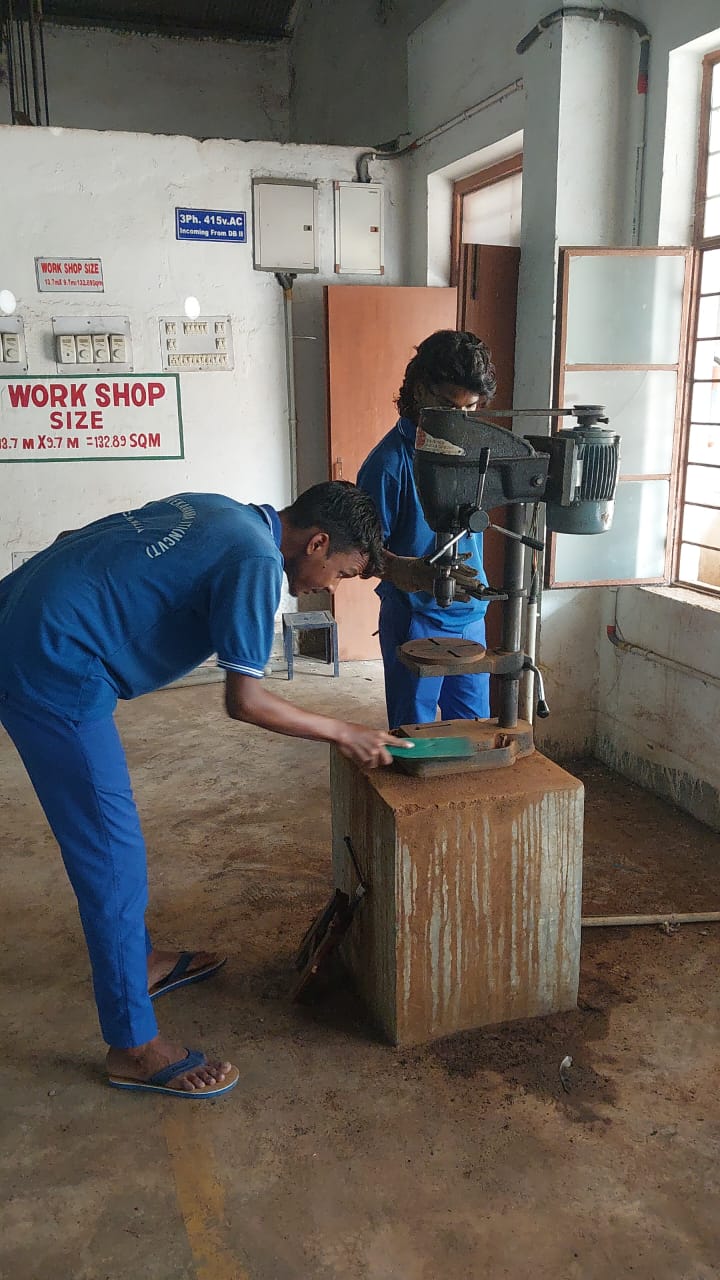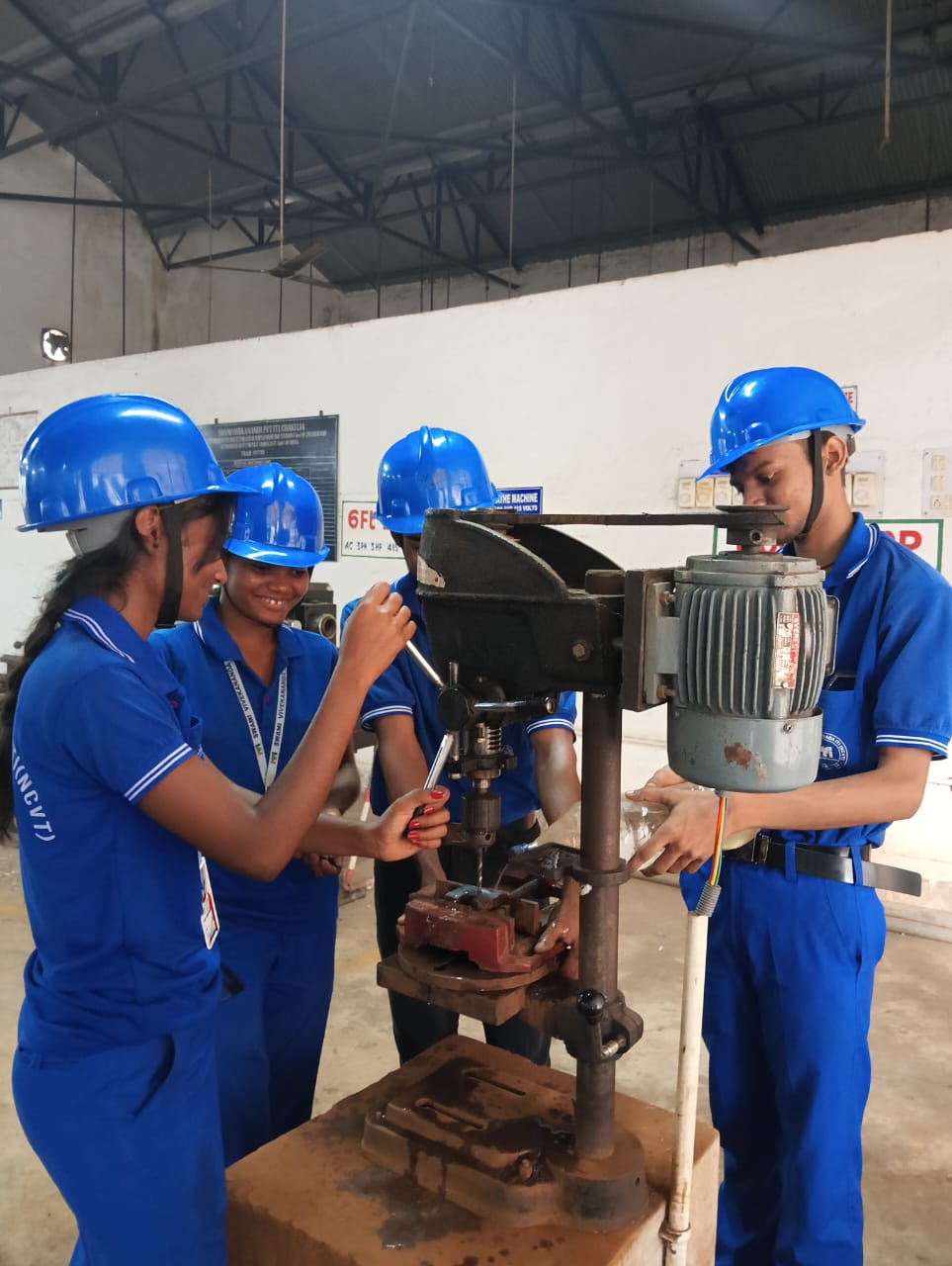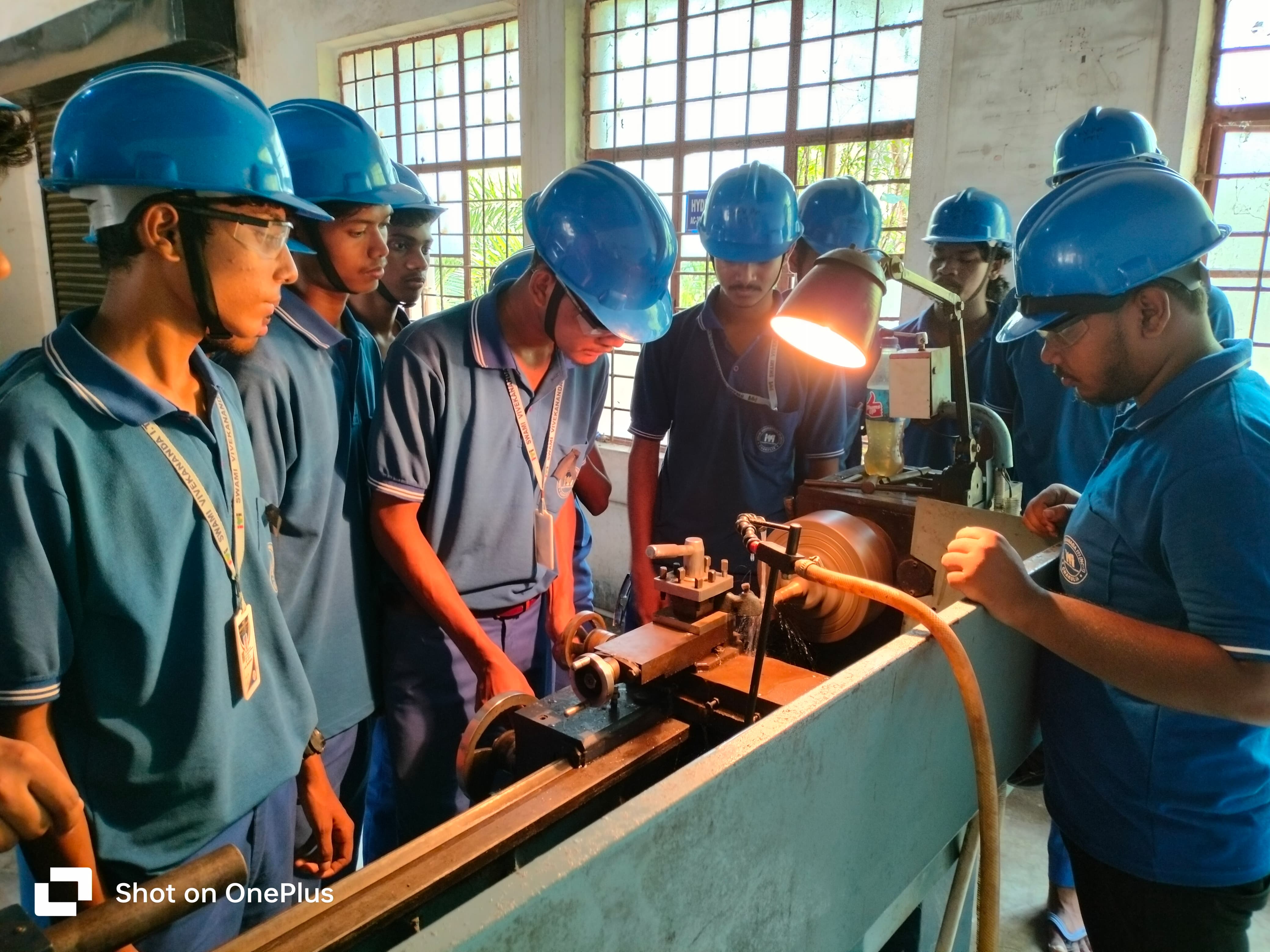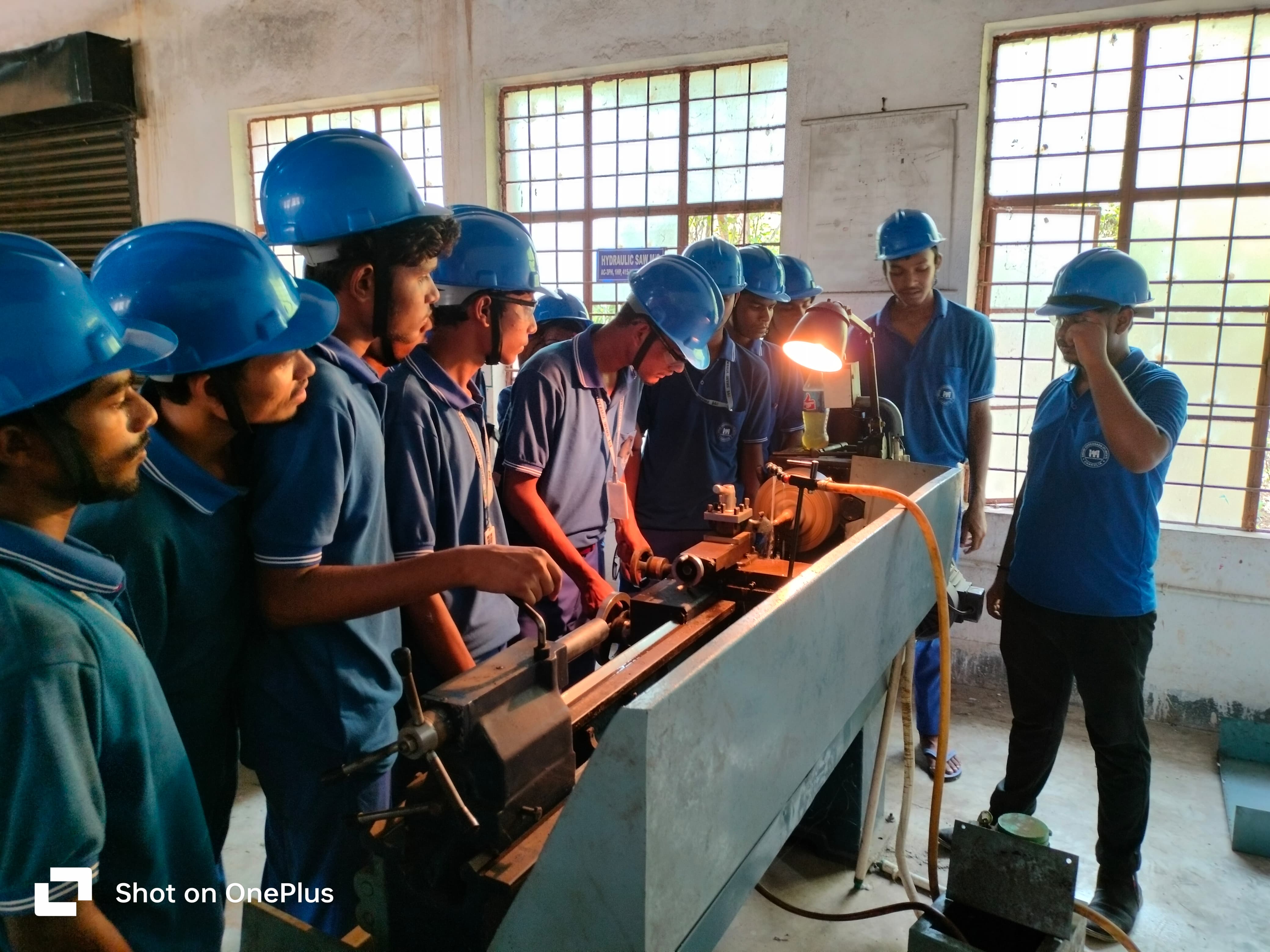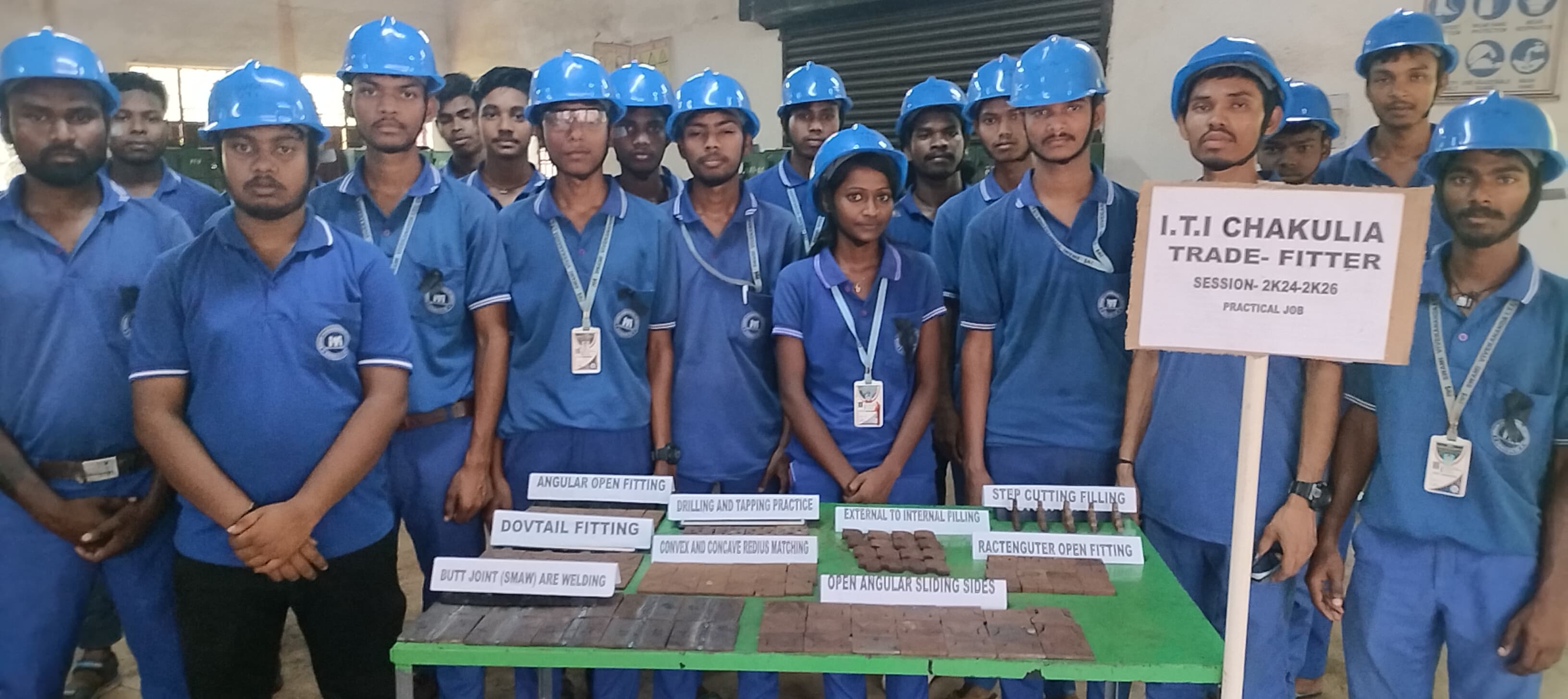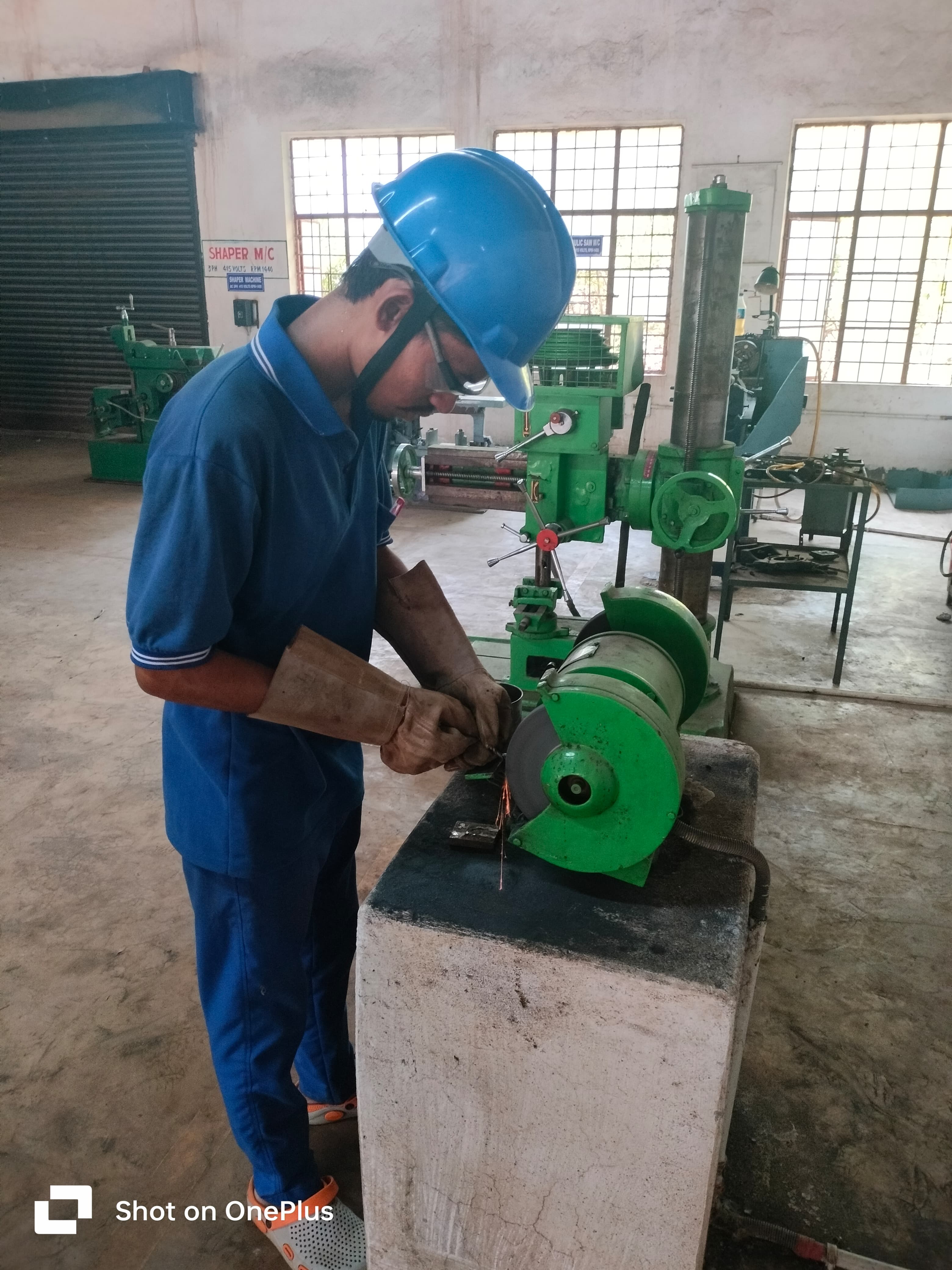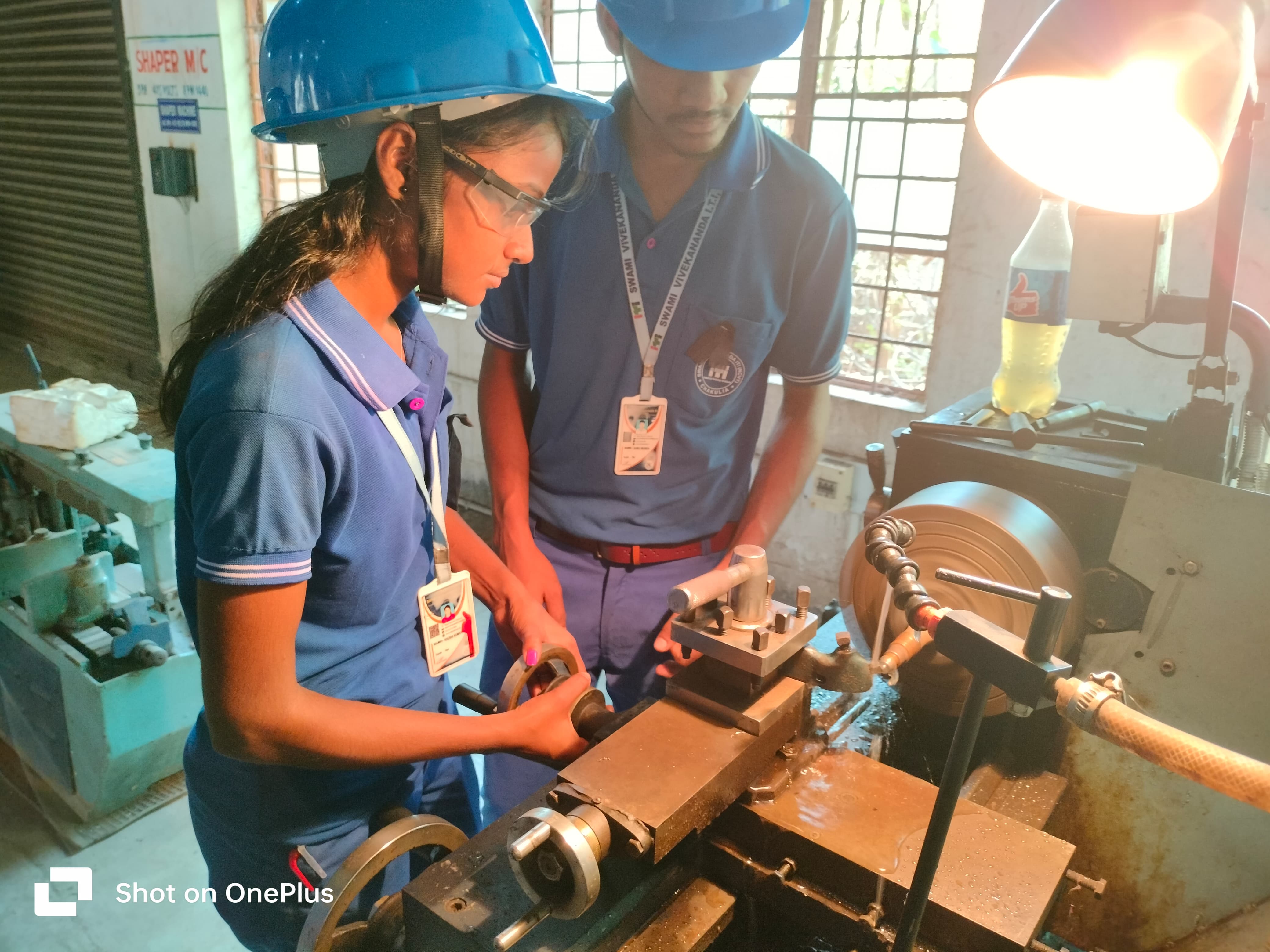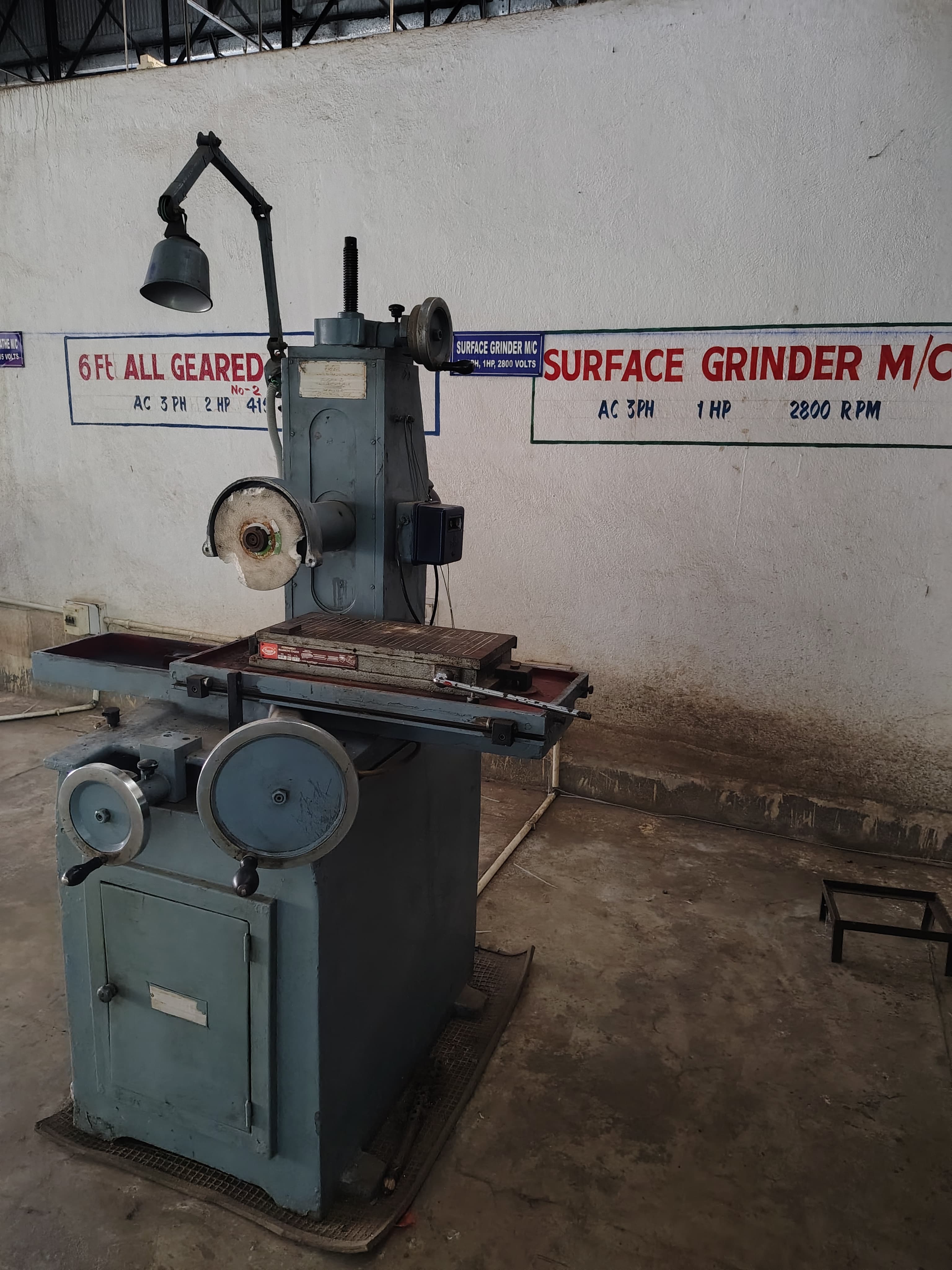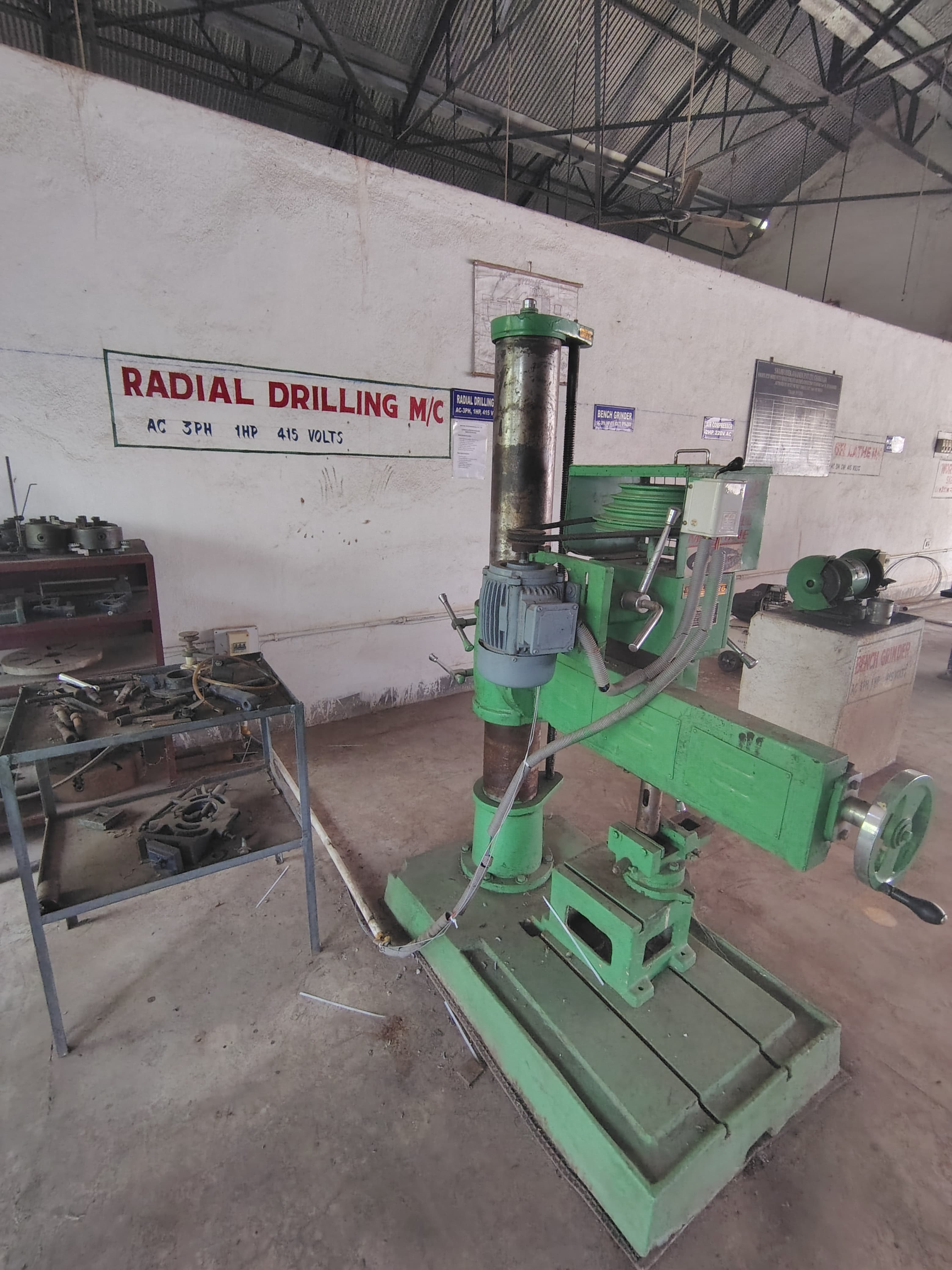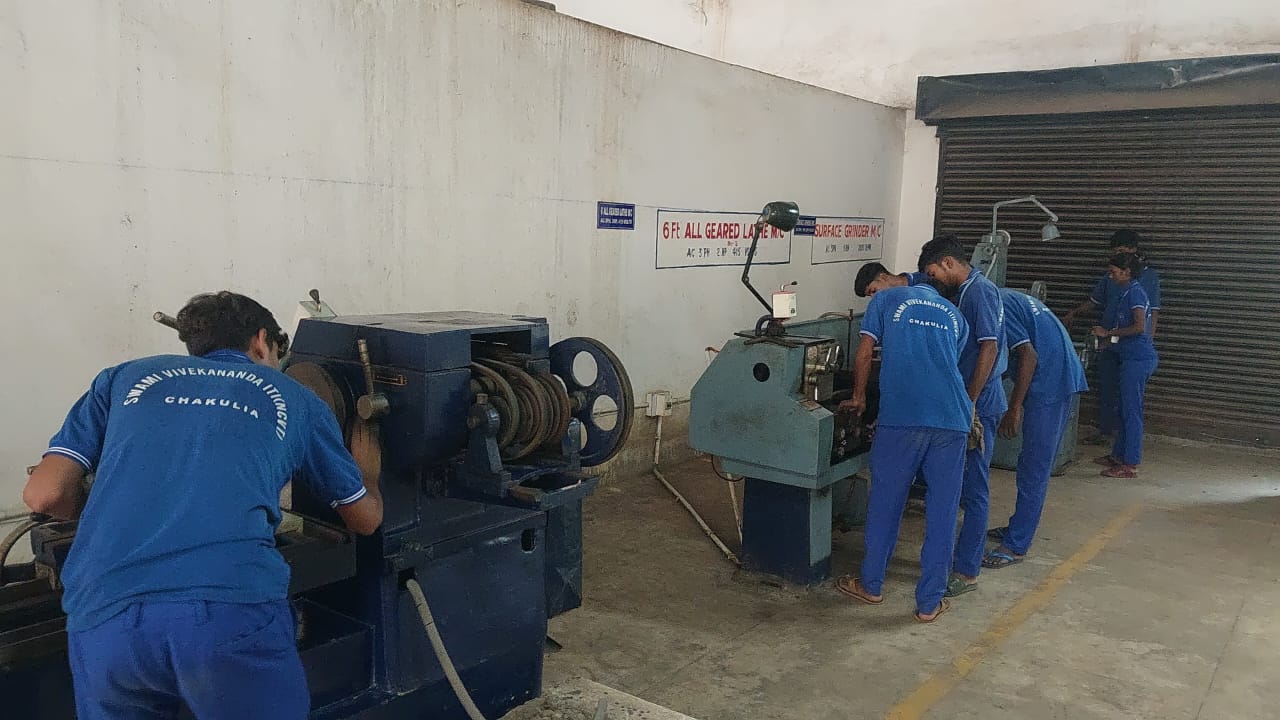
The fitter trade offers excellent job prospects in manufacturing, construction, defense, and railways, providing high practical skills for roles such as machine operator, technician, and maintenance fitter, as well as clear paths to higher education (Diploma/B.E.) and self-employment. Strong demand and good earning potential in both the private and public sectors. Career and Job Benefits
High Employability: Skilled fitters are in high demand in the manufacturing, shipbuilding, construction, defense, and railway sectors.
Versatile Roles: Work as a machine operator, maintenance technician, assembly fitter, welder, or instructor. Public and Private Sectors: Opportunities in government bodies (BHEL, NTPC) and private industries.
Apprenticeship: Earn a National Apprenticeship Certificate (NAC) with a stipend, which will enhance job prospects.
Practical Skills: The focus is on practical training, providing more practical knowledge than theoretical courses. Gateway to Engineering: Allows lateral entry into a Diploma in Mechanical Engineering, shortening the path to higher education.
Advanced Training: Candidates can pursue the Craft Instructor Training Scheme (CITS) to become instructors. Core Competencies: Develops skills in fitting, assembly, machine operation, basic welding, and troubleshooting. Financial and Growth Benefits
Good Earning Potential: Offers a good salary with growth opportunities.
Self-Employment: Provides skills to start one's own business.
Why Choose the Fitter Trade?
This is a short-term, low-cost course with high returns. It combines theoretical knowledge with essential practical application. It serves as a foundation for a variety of technical careers.